Plain Paper Seamless Tiling Patterns: A Versatile Toolkit for Digital Creators
In the world of digital design, texture is often the unsung hero that transforms a flat, generic layout into something tactile and engaging. Whether you are a graphic designer looking to add depth to a brochure, a web developer seeking unique background elements, or a small business owner wanting to brand your social media content, the right textures can make all the difference. This is where Plain Paper Seamless Tiling Patterns come into play. This collection offers a robust foundation for creative projects, providing high-quality assets that bridge the gap between simple aesthetics and professional polish.
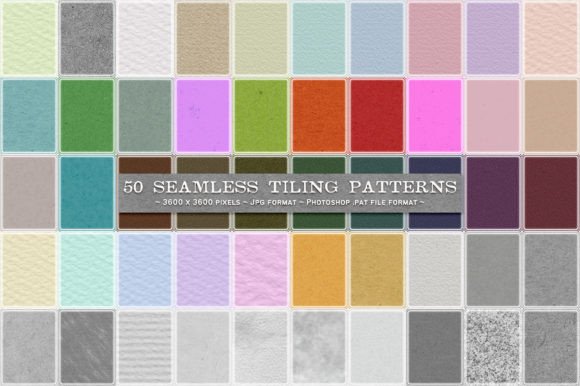
Understanding the value of seamless tiling patterns requires looking at how they function within the broader scope of visual communication. Unlike standard images that might have hard edges or visible seams when repeated, these patterns are engineered to tile infinitely without interruption. This characteristic makes them indispensable for creating backgrounds that fill entire screens or printed surfaces without distracting artifacts. The specific set described here—a comprehensive collection of 50 distinct designs—represents a significant resource for anyone needing reliable, high-resolution textures.
The Technical Specifications That Matter
When evaluating a digital asset pack, technical specifications are not just numbers on a page; they dictate the practical utility of the product in real-world scenarios. The Plain Paper Seamless Tiling Patterns set is built with precision to meet the demands of both print and digital mediums. Each pattern is provided in JPG format, ensuring broad compatibility across various software applications and operating systems.
One of the most critical features of this collection is its resolution. Every single image is rendered at 300 DPI (dots per inch). For those unfamiliar with printing standards, 300 DPI is the industry benchmark for high-quality print output. This means that if you intend to use these patterns for physical products like business cards, packaging, posters, or merchandise, the resulting images will remain crisp and clear, avoiding the pixelation that often ruins professional-looking materials.
Furthermore, the dimensions of each pattern are substantial, measuring 3600 x 3600 pixels. This square aspect ratio provides ample flexibility. Whether you need to cover a wide banner ad, a mobile phone screen, or a large-scale wall mural, the high resolution ensures that the pattern retains its detail even when scaled up significantly. The combination of high DPI and large pixel dimensions guarantees that the textures look sharp whether viewed on a 4K monitor or printed on a billboard.
Beyond Images: The Power of Photoshop Integration
While high-resolution JPGs are useful on their own, the true power of this asset pack lies in its integration with industry-standard software. Included alongside the individual image files is a consolidated Photoshop .pat file. This file contains all 50 patterns organized into a single library, allowing designers to access them instantly within Adobe Photoshop without the need to import each image manually.
This workflow efficiency is a game-changer for professionals who work under tight deadlines. Instead of navigating through folders to find a specific texture, users can simply open the Pattern Picker tool and select from the extensive list immediately available. This seamless integration encourages experimentation, making it easier to try different textures on a project until the perfect match is found.
Additionally, the package includes bonus Photoshop layer styles. These pre-configured styles utilize some of the included patterns to create complex effects with a single click. Layer styles allow users to apply shadows, glows, bevels, and overlays simultaneously. By combining these styles with the plain paper textures, creators can generate sophisticated visual elements that would otherwise require hours of manual editing. It is highly recommended to view all the previews associated with the pack to fully appreciate the range of effects these bonus styles can produce.
Diverse Applications Across Industries
The versatility of Plain Paper Seamless Tiling Patterns extends far beyond simple decoration. Their utility spans multiple disciplines, making them a valuable investment for a wide array of users.
- Digital Art and Illustration: Artists often struggle to create realistic surfaces like walls, desks, or fabrics. Using these patterns as texture overlays can instantly ground a digital illustration in reality. You can overlay a subtle paper grain onto a character's clothing or use a rougher texture to simulate an aged canvas.
- Graphic Design and Branding: Business owners and marketing professionals can leverage these patterns to create cohesive brand identities. Imagine applying a clean, minimalist paper texture to a logo background or using a specific pattern to differentiate sections in a presentation deck. The consistency of the tiling ensures that branding materials look uniform across different platforms.
- Web and UI Design: Web developers and UI/UX designers frequently need backgrounds that do not distract from the content. These patterns serve as excellent backdrops for websites, blogs, and landing pages. Because they are seamless, they can be applied to body tags or container divs to fill the entire viewport without awkward breaks.
- Print Media: As mentioned earlier, the 300 DPI resolution makes these patterns ideal for print. They can be used to design custom stationery, wrapping paper, fabric prints, or interior design mockups. The ability to scale the 3600-pixel images ensures that large-format prints remain high-fidelity.
Practical Implementation Strategies
To get the most out of this collection, it is helpful to understand the mechanics of how these patterns interact with other design elements. One of the most common and effective methods is using the Pattern Overlay feature in Photoshop. This allows you to apply a texture to any shape, text, or layer while maintaining the original color and form of the object.
For instance, if you are designing a poster with bold typography, applying a subtle paper texture via the Pattern Overlay mode can give the letters a tactile feel, making them appear as if they were printed on actual stock. By adjusting the blend mode and opacity, you can control the intensity of the texture, ranging from a barely noticeable hint to a dominant visual element.
Another powerful technique involves combining multiple layers. You might start with a base color, add a shadow layer style, and then overlay a pattern to create depth. The bonus layer styles included in the pack streamline this process, offering starting points that can be tweaked to suit specific aesthetic goals. This approach saves time and reduces the learning curve for those less familiar with advanced compositing techniques.
Evaluating Suitability for Your Projects
Before integrating these patterns into a workflow, it is important to consider the nature of your project. While the set is incredibly versatile, it is designed primarily around the aesthetic of "plain paper." This implies a focus on neutral tones, subtle grain, and structural integrity rather than vibrant, chaotic imagery. If your project requires loud, colorful, or illustrative textures, this specific set may serve best as a foundational element rather than the primary visual driver.
However, for projects aiming for elegance, minimalism, or realism, the limitations of the theme become strengths. The simplicity of plain paper textures allows them to recede into the background, letting the content take center stage. This makes them particularly suitable for corporate communications, editorial layouts, and fine art presentations where subtlety is key.
Users should also consider the file organization. Having everything bundled in one .pat file simplifies management, but it is worth noting that the bonus layer styles are tied to specific patterns within the set. To ensure compatibility, it is advisable to keep the .pat file accessible whenever working on projects that utilize these pre-made styles.
Conclusion: A Foundation for Creativity
In summary, the Plain Paper Seamless Tiling Patterns collection represents a thoughtful and technically sound resource for modern creators. With 50 unique designs, high-resolution 3600x3600 pixel dimensions, and professional-grade 300 DPI quality, this set addresses the core needs of both digital and print workflows. The inclusion of a unified Photoshop .pat file and bonus layer styles further enhances its value by streamlining the creative process.
Whether you are a seasoned professional looking to expedite your workflow or a hobbyist eager to elevate the quality of your personal projects, these patterns offer a reliable solution. By understanding how to leverage the Pattern Overlay feature and exploring the capabilities of the included layer styles, you can unlock a new level of sophistication in your work. In an era where visual attention is scarce, having a toolkit that allows you to create textured, engaging, and professional designs is an invaluable asset.