Cottagecore Spring Floral Paper Patterns: A Practical Guide to Integration and Workflow
In the landscape of digital asset creation, Cottagecore Spring Floral Paper Patterns represent more than just a collection of aesthetically pleasing images. They are functional resources that bridge the gap between conceptual design and tangible output. For professionals, creators, and small business owners aged 20 to 50, understanding how to integrate these assets into a workflow is essential for maintaining efficiency and consistency. Whether you are managing a stationery brand, designing custom merchandise, or curating a personal creative journal, the application of high-resolution floral textures requires a strategic approach to file management, color calibration, and production planning.
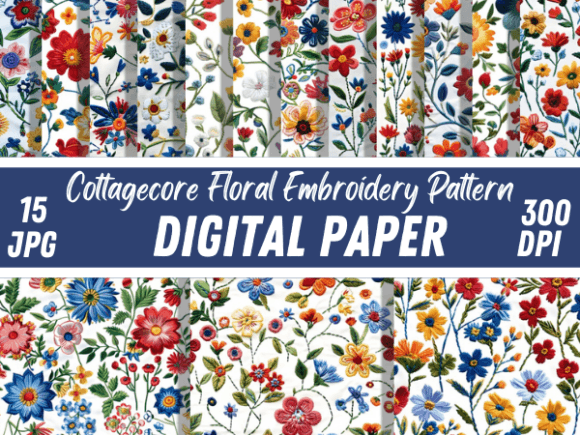
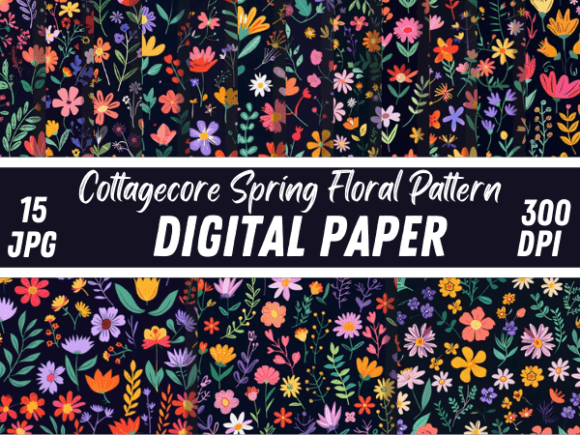
The core value of this specific bundle lies in its versatility as a digital product. It consists of 15 distinct digital papers contained within a single zip file, each rendered at 3600 x 3600 pixels with a 300 DPI resolution in JPG format. This technical specification ensures that the assets are scalable for both large-format printing and fine-detail digital work. However, the transition from a digital file on a monitor to a physical object involves several critical steps where preparation and quality control become paramount.
Pre-Production Planning and Asset Organization
Before initiating any creative project involving these patterns, the first phase of the workflow is organization. The bundle includes themes ranging from delicate botanical blossoms to lush garden foliage, all tied together by a shabby chic and vintage aesthetic. Because the files are provided as a repeatable set, they are designed to be seamless, allowing for tiling without visible breaks. This feature is particularly useful for designers working on fabric backgrounds or large wall art backdrops.
To maintain efficiency, users should extract the contents of the zip file immediately upon download. Organizing the 15 individual JPG files into clearly labeled folders based on color palette or motif (e.g., "Pastel Blooms," "Deep Greenery," "Vintage Leaves") prevents time wastage during the selection process. Since actual colors may vary slightly due to monitor settings, establishing a standardized naming convention helps teams collaborate effectively. If you are working with a marketing team or a freelance partner, clear labeling ensures that everyone is referencing the correct texture for a specific campaign or product line.
Compatibility and Color Management
One of the most common pitfalls in digital design workflows is color discrepancy. While the Cottagecore Spring Floral Paper Patterns offer vibrant, colorful textile designs, the final print output depends heavily on the user's printer capabilities and ink profiles. To mitigate this, it is advisable to perform a test print on a small scale before committing to a full production run. This step is crucial for entrepreneurs selling handmade crafts or sublimation products, where customer satisfaction hinges on color accuracy.
For those using these patterns for sublimation on acrylic tumblers, mugs, or vinyl decals, the 300 DPI resolution is a significant advantage. It ensures that the intricate details of the leaves and flowers remain sharp even when scaled down for smaller items like 11oz mugs or embroidery transfers. When preparing files for cutting machines, such as Cricut or Silhouette, the high detail level allows for precise vector tracing if the design needs to be converted for vinyl decal applications. Always verify that your software supports the JPG format natively or convert to PNG if transparency is required for layering effects.
Strategic Applications Across Creative Workflows
The utility of these digital papers extends far beyond simple image viewing. They function as foundational elements in various professional and personal workflows, serving different purposes depending on the stage of the project lifecycle.
- Product Development and Prototyping: Small business owners can use these textures as mockups. By overlaying product photos onto the Cottagecore Spring Floral Paper Patterns, you can visualize how a new line of greeting cards, wedding stationaries, or scrapbook decorations will appear before manufacturing begins. This reduces material waste and accelerates the decision-making process regarding packaging design.
- Digital Content Creation: Bloggers and educators can integrate these backgrounds into presentations, printable planners, or educational worksheets. The whimsical and charming nature of the pastoral pattern fits seamlessly into content aimed at fostering a cozy, nostalgic atmosphere. For instance, creating a digital planner cover or a workbook for a springtime workshop becomes significantly faster when utilizing pre-made, high-quality seamless backgrounds.
- E-commerce and Marketing: Marketers can leverage these assets for social media campaigns, specifically for events like Valentine's Day 2024, birthdays, or seasonal promotions. The romantic and serene vibe of the floral motifs aligns well with emotional marketing strategies. Using these patterns as backdrop images for product photography adds a layer of artisanal quality that resonates with audiences seeking handcrafted goods.
Integration with Physical Production Methods
When moving from digital concepts to physical reality, the interaction between the digital paper and the production method determines the final outcome. For fabric printing, the 3600-pixel width provides ample data for large-scale textile rolls, ensuring that the traditional art style translates well onto cotton or linen blends. Similarly, for iron-on transfers used on sweaters or tote bags, the detailed textures allow for crisp heat press results.
In the realm of bookbinding and junk journals, these patterns serve as essential materials for covers and interior pages. The rustic and wholesome aesthetic complements the trend of analog productivity tools. Users can scan these digital papers directly into their layout software to create custom book covers or decorative inserts for bullet journals. The key here is consistency; ensure that the resolution remains high throughout the editing process to avoid pixelation when the final product is held or viewed up close.
Optimizing Quality Control and Long-Term Use
Sustainability and longevity are important considerations for anyone investing in digital assets. Because these are repeatable bundles, they are designed for long-term use across multiple projects. However, proper file management is required to ensure they remain accessible and usable years down the line. Storing the original zip file in a cloud backup system alongside a local hard drive copy protects against data loss.
Quality control also involves understanding the limitations of the medium. While the patterns are described as having high details, the final perception of quality depends on the output device. For engraving or laser etching tasks, the contrast between the floral elements and the background must be sufficient to produce a clean cut or burn. In such cases, converting the JPG to a black-and-white mask might be necessary to enhance the definition of the leaves and blossoms.
Furthermore, the "shabby chic" and "vintage" descriptors imply a specific mood that should be respected in the design process. Over-saturating the colors or applying heavy digital filters can detract from the natural, bucolic countryside feel intended by the artist. Maintaining the integrity of the original texture preserves the emotional resonance of the design, which is often the primary selling point for consumers looking for authentic, handcrafted aesthetics.
Conclusion: Elevating Your Creative Output
Integrating Cottagecore Spring Floral Paper Patterns into your workflow requires a balance of technical precision and artistic sensitivity. By treating these digital assets not merely as decorative images but as versatile tools for production, creators can streamline their processes and enhance the quality of their final deliverables. From the initial extraction of the zip file to the final print on an 11oz mug or a wedding invitation, every step benefits from careful planning and adherence to quality standards.
Whether you are a freelancer crafting bespoke stationery, an educator designing engaging learning materials, or a business owner launching a new product line, these digital papers offer a reliable foundation for your creative endeavors. Their high resolution and seamless nature make them compatible with a wide array of industries, from fashion and decor to publishing and event planning. By respecting the nuances of color reproduction and file handling, you can unlock the full potential of these charming, pastoral designs, turning digital files into tangible expressions of art and craftsmanship.