DAISY PATTERNS II: A Practical Review of Watercolor Textures for Creative Projects
In the landscape of digital design assets, finding textures that balance artistic authenticity with technical utility can be a challenge. DAISY PATTERNS II emerges as a collection designed to address this specific need, offering six distinct watercolor motifs that prioritize subtlety and poise. Unlike rigid vector graphics or overly saturated digital brushes, these patterns aim to replicate the organic flow of traditional media while remaining fully compatible with modern digital workflows. For professionals, creators, and hobbyists alike, the value of such a resource lies not just in its visual appeal, but in how seamlessly it integrates into complex projects.
Understanding the Core Characteristics
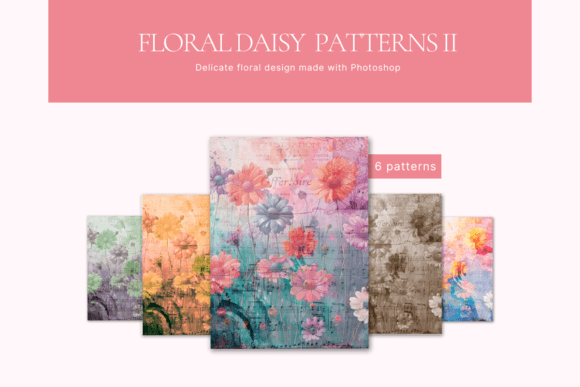
The defining feature of DAISY PATTERNS II is its commitment to the watercolor aesthetic without sacrificing resolution or versatility. Each of the six included designs is rendered with meticulous attention to detail, capturing the soft gradients and fluid edges characteristic of hand-painted art. The collection avoids the common pitfall of looking like a generic clipart overlay; instead, the patterns feel integrated and natural. This level of craftsmanship is evident in the way the colors bleed and settle, providing a sense of depth that flat colors often lack.
From a technical standpoint, the assets are delivered in JPG format at a substantial 3600 x 3600 pixels. This high-resolution standard ensures that the images remain crisp even when scaled up for large-format prints or viewed on high-density displays. The square aspect ratio offers flexibility, allowing users to crop the image to fit specific dimensions or use the full canvas as a background element. While some designers prefer vector formats for infinite scalability, the raster nature of these files is appropriate for texture-based work where pixel-level detail is paramount.
Practical Applications Across Different Mediums
The utility of DAISY PATTERNS II extends across a wide spectrum of creative endeavors. Its primary strength lies in its ability to soften the harshness of digital interfaces or printed materials, adding a layer of human touch that resonates well with audiences seeking authenticity.
- Art Journaling: For those who maintain physical or digital art journals, these patterns serve as excellent backgrounds. They provide a textured foundation that encourages further illustration without overwhelming the page. The gentle nature of the designs allows artists to layer sketches, calligraphy, or photography over them effectively.
- Scrapbooking: Digital scrapbookers will find immediate value in the file's compatibility with layout software. The watercolor style fits perfectly with themes centered around memories, travel, or personal growth. Because the patterns are subtle, they act as supporting elements rather than distractions, ensuring that photos and journaling entries remain the focal point.
- Tag Design: In product packaging or event planning, tags require a unique aesthetic that stands out yet remains elegant. These patterns elevate the look of simple paper tags, transforming them into sophisticated branding tools. The consistency across the six variations allows for cohesive collections where different tags share a unified visual language.
Evaluating Quality and Usability
When assessing the quality of any digital asset, consistency is key. DAISY PATTERNS II maintains a high standard throughout the set. There is no noticeable drop-off in resolution or color fidelity between the different designs. The color palettes appear carefully curated to ensure harmony, making it easy to mix and match patterns within a single project without creating visual clutter.
Usability is another area where this collection shines. The JPG format, while less flexible than PSD or AI files regarding layers, simplifies the process for users who do not require extensive editing capabilities. The files are ready to insert directly into word processors, graphic design software, or web editors. For freelancers and small business owners managing tight deadlines, this "plug-and-play" efficiency is a significant advantage. It reduces the time spent on preparation, allowing more focus on the core creative strategy.
However, it is important to note the limitations inherent in the format. Since the patterns are raster images, they cannot be resized beyond their original dimensions without potential loss of quality. Additionally, the lack of editable layers means users cannot easily change the hue or saturation of specific elements within the pattern itself. For most applications, however, the provided resolution and color balance are sufficient to meet professional standards.
Who Benefits Most from This Collection?
The target audience for DAISY PATTERNS II is broad, but it particularly suits individuals who value aesthetic refinement in their work. Educators creating lesson plans or visual aids may find the gentle imagery helpful for engaging younger students or illustrating soft concepts. Bloggers and publishers looking to enhance the visual appeal of their articles can use these patterns to break up text or create distinctive headers.
Entrepreneurs and marketers focusing on lifestyle brands, wellness products, or artisanal goods will also find these assets highly relevant. The watercolor style conveys a sense of care and craftsmanship, qualities that resonate strongly with consumers today. By incorporating these patterns into social media graphics, email newsletters, or website banners, businesses can subtly communicate their brand values without resorting to loud or aggressive design choices.
For serious hobbyists, the collection offers a gateway to higher-quality digital creation. It bridges the gap between amateur attempts at digital painting and professional-grade stock assets. The variety within the six patterns ensures that users have enough options to keep their projects fresh and interesting over time.
Long-Term Value and Strategic Fit
Investing in a resource like DAISY PATTERNS II should be viewed through the lens of long-term utility. The timeless nature of watercolor art means these patterns are unlikely to go out of style quickly. Unlike trends based on neon colors or specific geometric shapes, organic textures remain versatile across various design eras.
The 3600 x 3600 px resolution future-proofs the assets for current printing technologies and emerging display standards. Whether used for a small blog post or a large exhibition print, the quality holds up. This reliability makes the collection a worthwhile addition to a digital library, reducing the need to constantly search for new textures that match a specific vision.
Ultimately, the decision to use DAISY PATTERNS II depends on the specific needs of the project. If the goal is to add a touch of elegance, gentleness, and organic movement to a design, this collection delivers on its promise. It provides a solid foundation upon which creativity can flourish, allowing the user to focus on the message rather than struggling with the medium. For anyone seeking to elevate their visual communication with authentic, high-quality textures, these patterns represent a practical and effective solution.